

A car is written off when the repair cost plus the salvage value of the damaged car comes to more than the car was worth just before the damage. It is a sum, not a judgement on how bad the crash looked. In NSW the vehicle then goes on the Written-Off Light Vehicles Register, its registration is cancelled, and that record stays with the car.
If the crash has only just happened, start with what to do in the first 24 hours after a crash.
How does an insurer decide to write off a car?
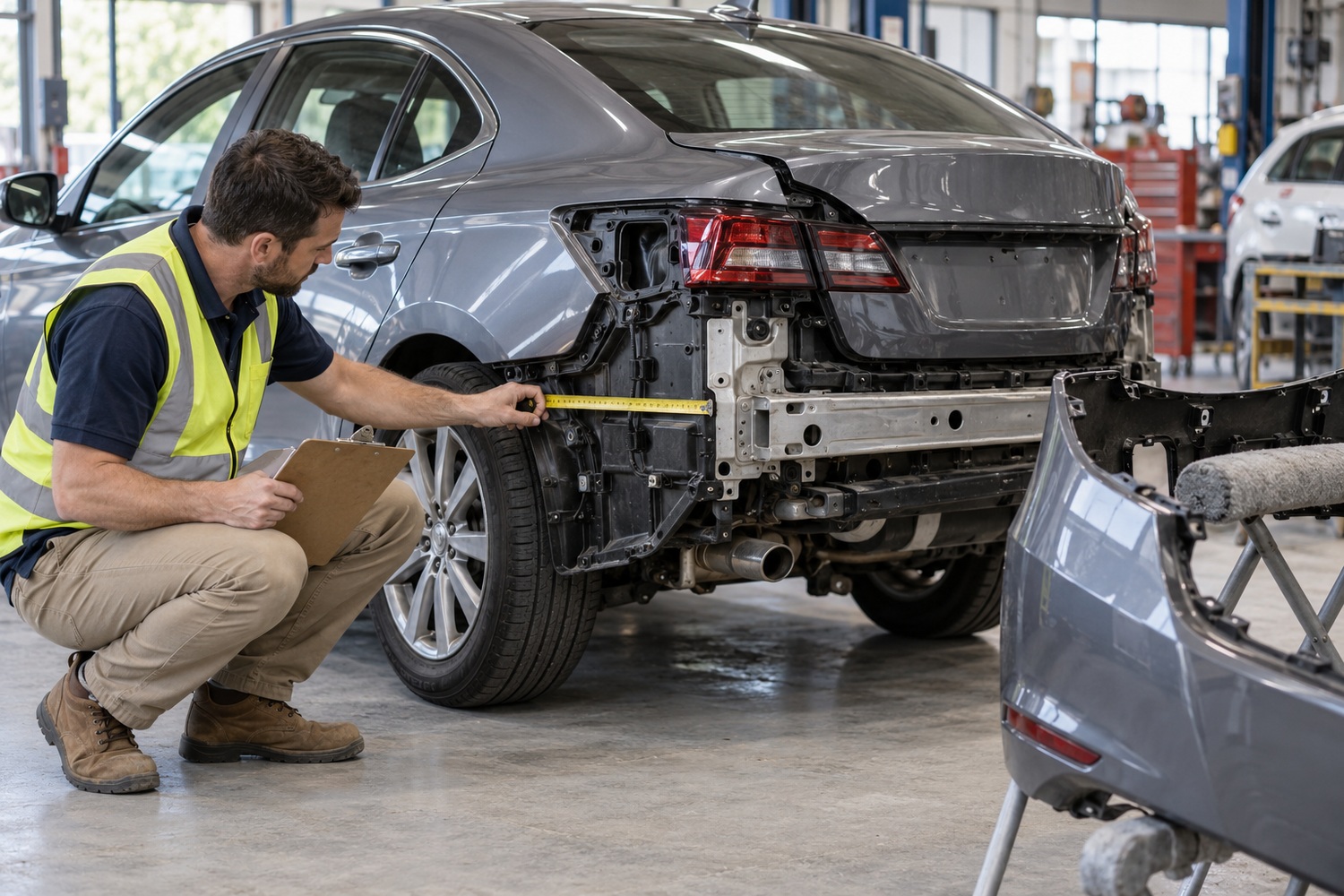
A car is a total loss when the repair cost plus its salvage value comes to more than the car was worth beforehand. Where the car is insured for a set amount, that amount is used instead. This is the test Transport for NSW uses. It is a commercial calculation, not a safety verdict.
Two identical cars with identical damage can get different answers. The repair bill is the same on both. What changes is the value on the other side. A three-year-old car has more room in it than a fifteen-year-old one.
There is no fixed percentage at which a car tips over. Insurers set their own thresholds, and the policy wording governs.
The figure comes from an assessment. An assessor inspects the car and costs the repair. That cost can move once panels come off, and our article on why smash repair quotes vary so much covers what changes.
What is the difference between a statutory and a repairable write-off in NSW?
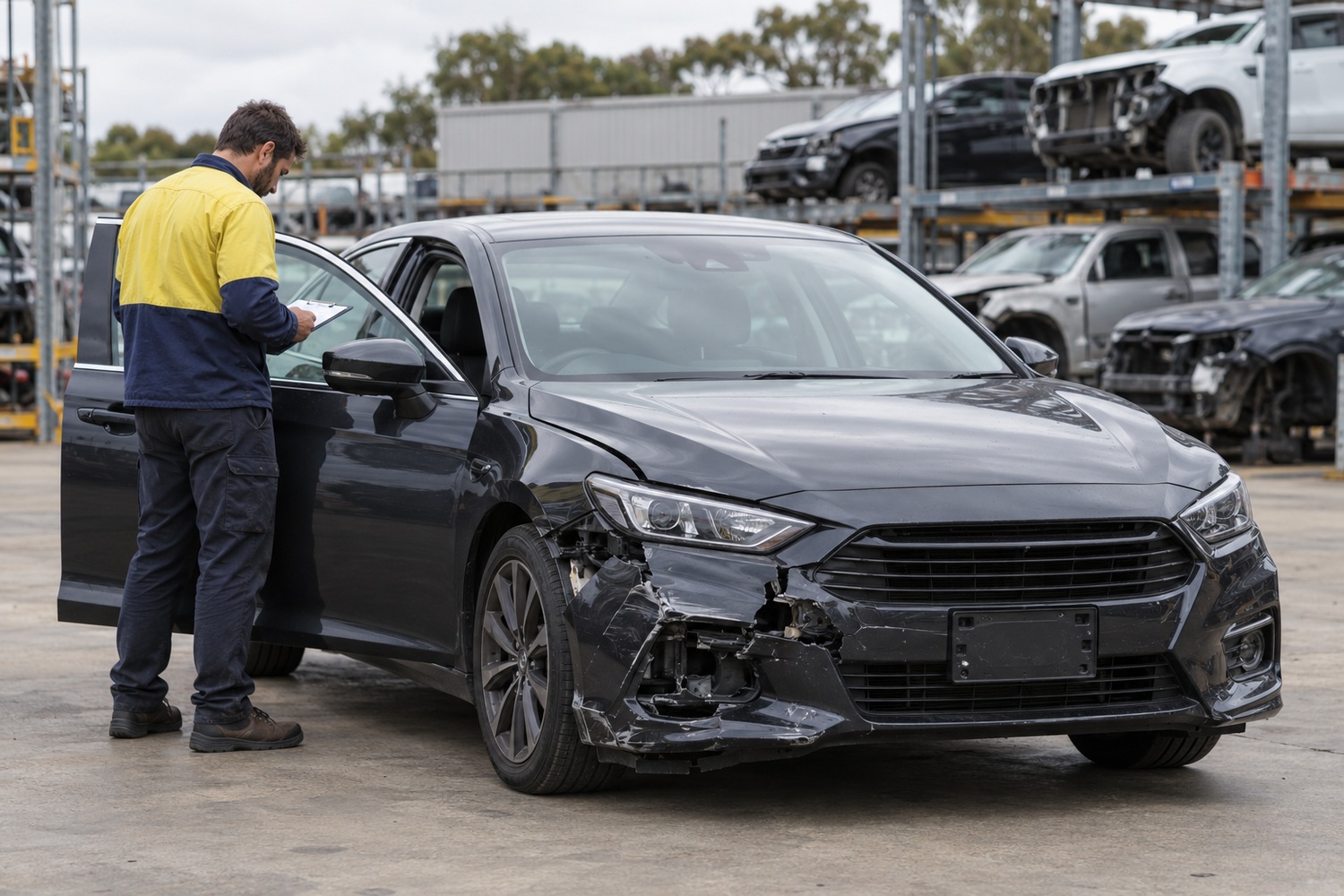
A statutory write-off is a vehicle whose damage falls within the statutory write-off assessment criteria. It cannot go back on the road. A repairable write-off is a vehicle assessed as a total loss that has not suffered that damage.
NSW does not use the second label for its own cars. Written-off light vehicles notified to Transport for NSW are recorded as statutory written-off light vehicles, and the registration is cancelled. Here that label follows the write-off itself, not the damage. That is why the narrow way back to registration turns on the damage instead. The car can still be bought and sold, but only for parts or scrap. The repairable category applies here only to cars written off interstate.
The register covers light vehicles up to 4.5 tonnes. For ordinary passenger cars it covers only those up to fifteen years old, so an older car can be written off without ever appearing on it.
Can a written-off car be registered again in NSW?
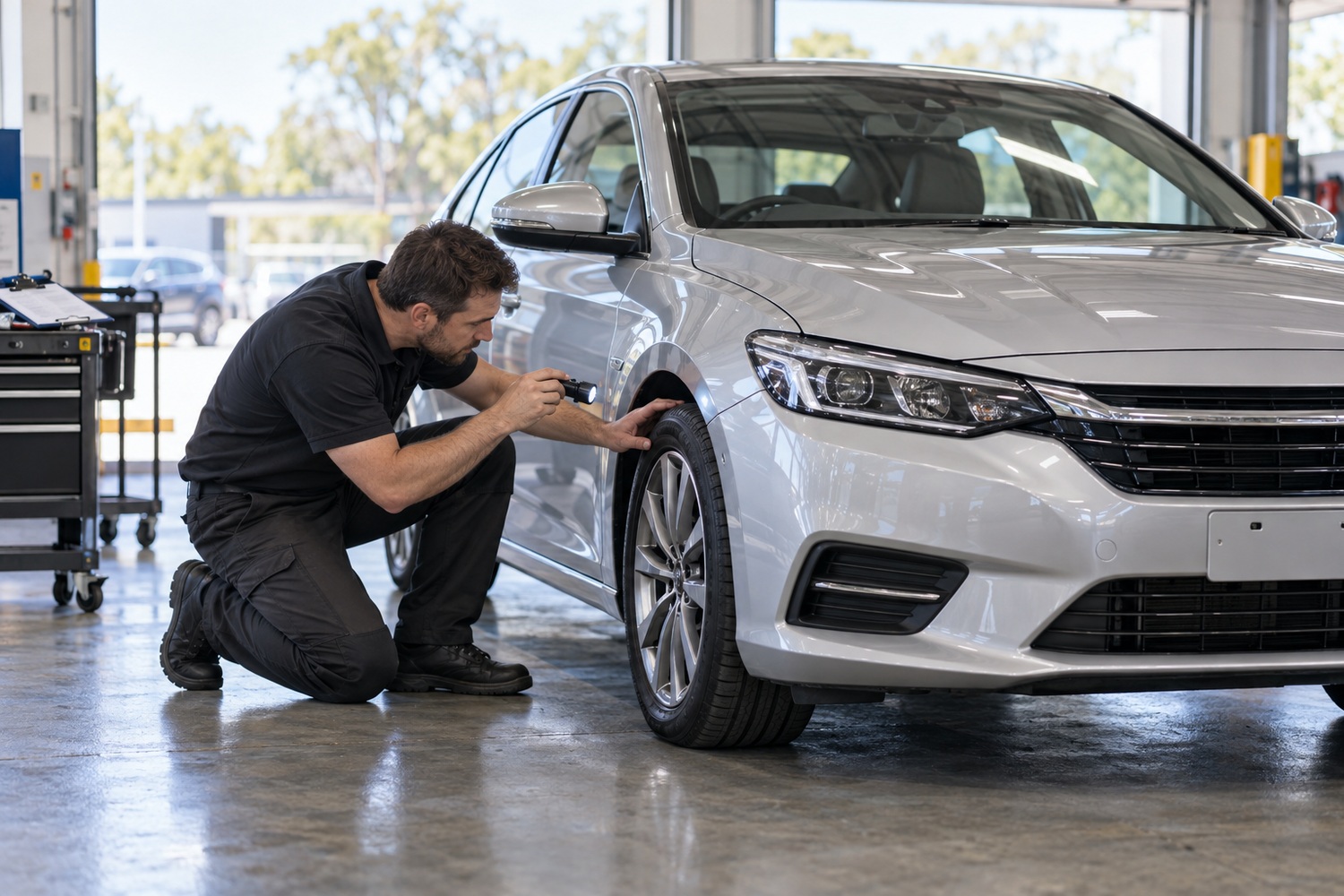
Sometimes, but the gate is narrow. It is drawn around who owned the car when it was damaged.
Transport for NSW will only consider an application where the damage is not listed in the statutory write-off assessment criteria. One of these must also be true of you:
- the car has hail damage only, and you were the registered operator
- you were the registered operator for more than 28 days before it was damaged
- you inherited the car from the registered operator
If you clear that gate, the order is fixed. An Authorisation to Repair comes first, before any work starts. Structural and safety repairs follow the manufacturer’s guidelines. A repairer licensed by NSW Fair Trading then issues a Certificate of Compliance. The car must pass an Authorised Unregistered Vehicle Inspection Scheme check and an identity inspection by Transport for NSW. Both are arranged by the owner. The register entry then changes to an inspected written-off light vehicle, and it does not come off.
What do you get paid if your car is written off?

The payout rests on one of two figures. Which one applies was set in the policy schedule when the policy was taken out, not after the crash.
An agreed value is a fixed amount you and the insurer settled on at the start. It does not move when the market does. A market value is worked out at claim time, from what the car would have sold for just before the damage.
What comes off that figure is also set by your policy. An excess normally does, as does any premium still owing if you pay monthly. Where the car is under finance, the lender is usually paid first.
Unused registration and CTP have their own path in NSW. Once the registration is cancelled, you take the number plates to a Service NSW centre within 14 days. You may then be eligible for a refund of the unused motor vehicle tax. Your CTP insurer may refund the unused part of the green slip once you show the registration has been cancelled. Some policies account for these in the settlement too, so read your own.
Can you keep the car if it’s written off?
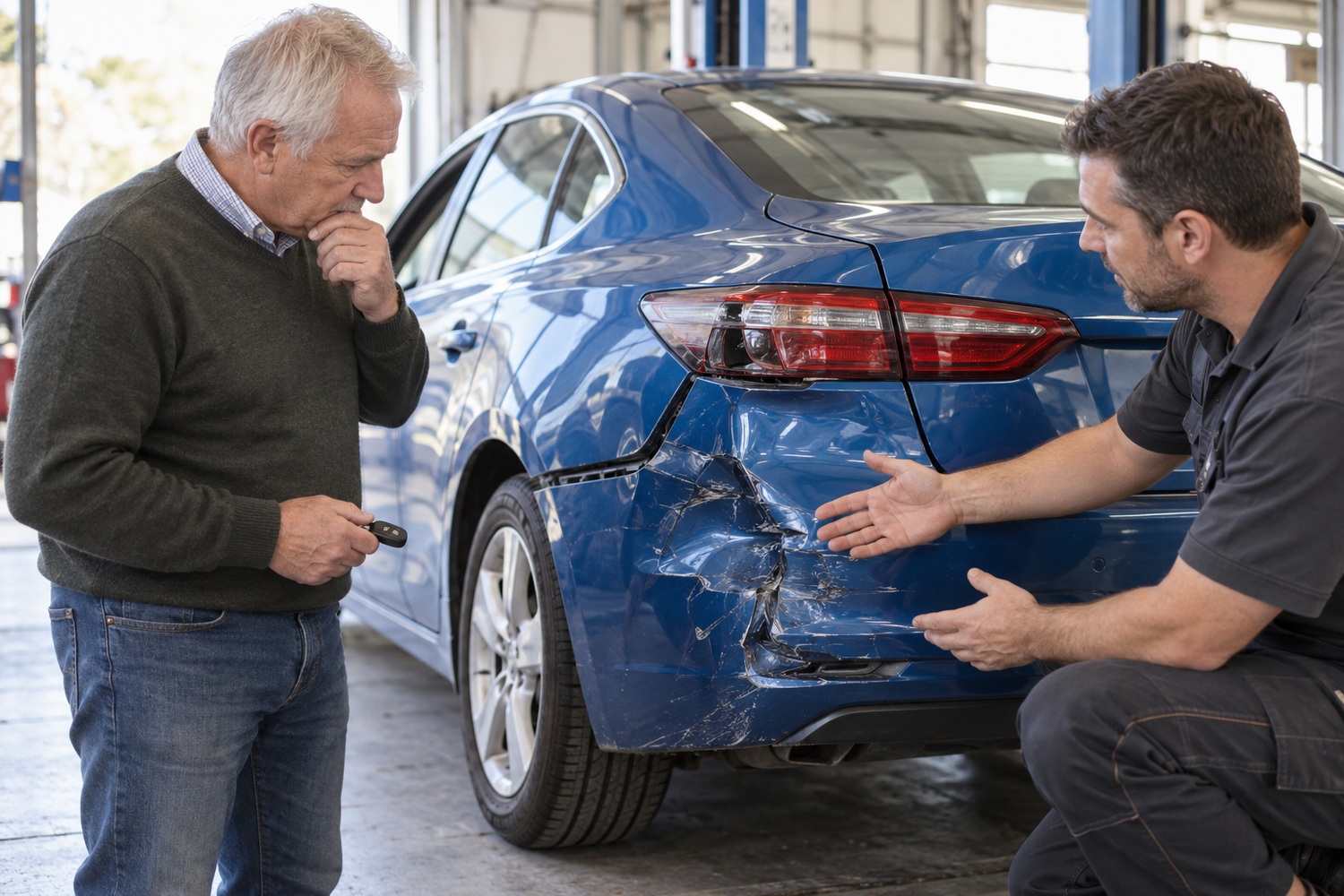
That depends on the policy. Most policies allow the insurer to keep the wreck and sell it. Not all do, and some will discuss letting you keep it for a reduced payout. Raise it early, not after the settlement is agreed.
Keeping your own damaged car is also one of the few situations where the NSW re-registration gate is open at all. The 28-day test and the inheritance test both ask who owned the vehicle when it was damaged. Only somebody who already had the car can meet them.
Why the damage you can see doesn’t decide it
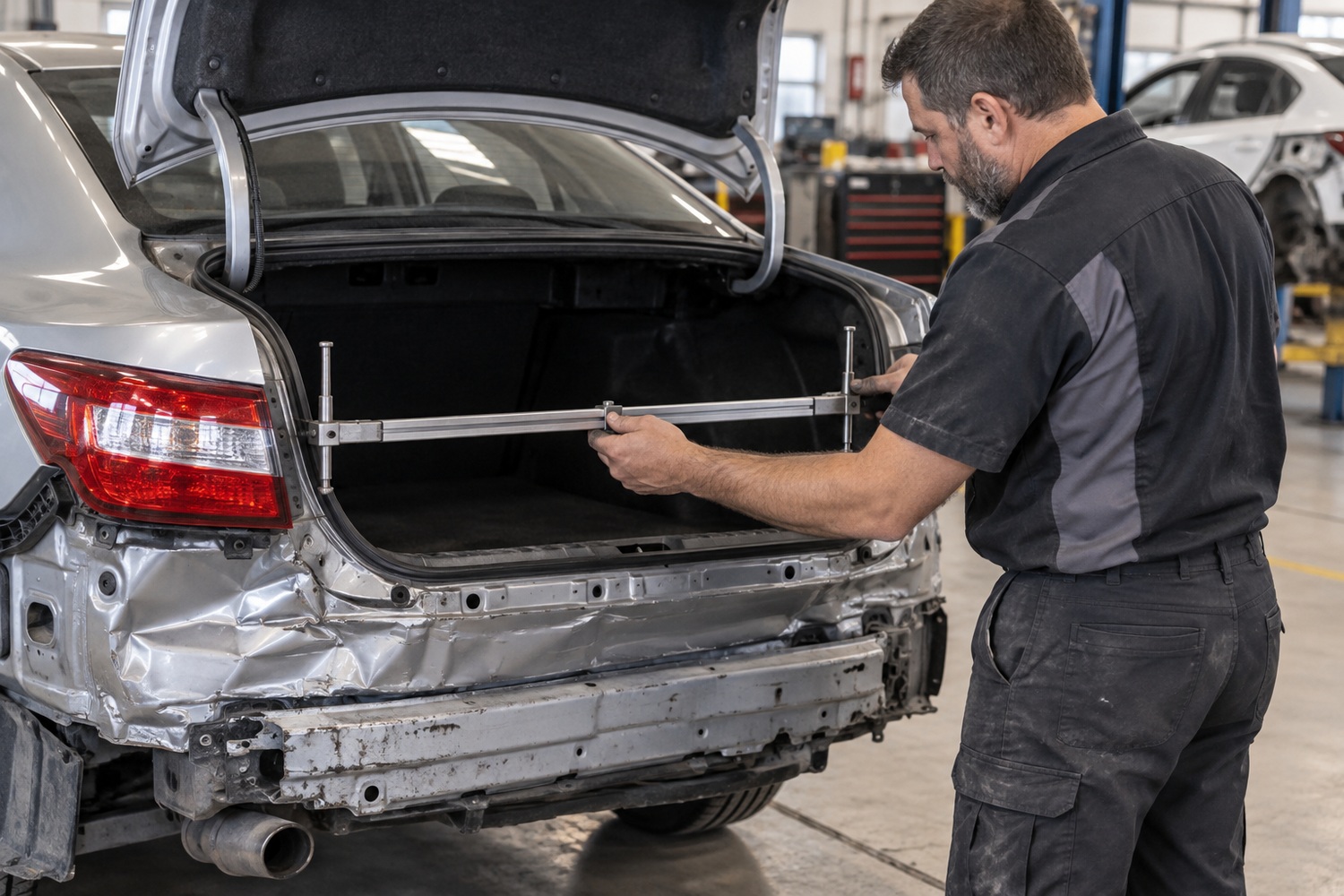
A car that looks destroyed is often repairable. Deployed airbags, a crumpled bonnet and a bumper on the ground are what a modern car is built to do. The lightly damaged older car is often the one written off, because there is less value on the other side.
Photographs are a poor guide, and so is the first look on the workshop floor. What decides it is what measurement finds underneath. A body that measures square after a heavy-looking hit is a repair. A body that has moved a few millimetres at its mounting points may not be.
That is why the assessment comes before the number. It is also why nobody can tell you down the phone how your car will go. On the lower North Shore the balance tips towards repair more often than the national picture suggests. Artarmon, Chatswood and Lane Cove run late-model and prestige cars, and more value before the damage means more room in the sum.
What to do while you wait

Get your own repair quote. A quote from a panel beater who has looked at the car gives you something concrete to hold the assessment against.
Keep the photographs you already have, along with any assessment paperwork you are sent.
Ask the insurer in writing which valuation basis they are using. That one question, in writing, is the most useful thing you can do while you wait.
If talk moves on to who does the repair rather than whether there is one, your choice of repairer in NSW has its own rules.
Get the damage assessed before you accept a figure
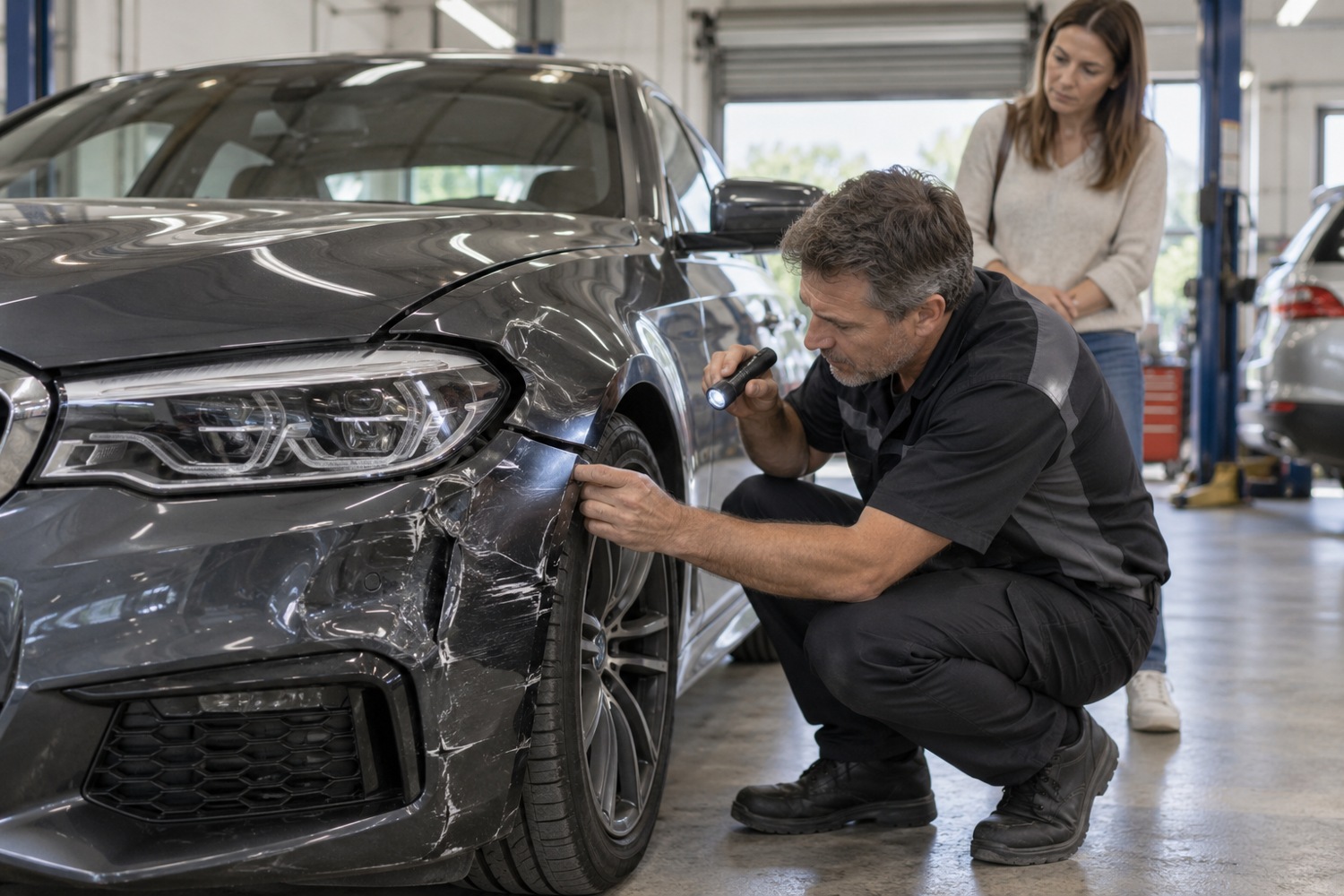
Before you accept a settlement figure, have the damage looked at by someone who repairs cars rather than values them. A structural measurement and a written quote tell you which one this car is.
Smash repairs and structural work on late-model and prestige cars are what North Shore Smash Repairs does at Artarmon every day. An assessment commits you to nothing. If the car is driveable, book an assessment online and bring it in. If it is not, send the photographs you already have.
Frequently asked questions
Can you keep a car that has been written off in NSW?
Sometimes. It turns on what your policy says about the wreck, so raise it with the insurer early in the claim. Holding on to the vehicle does not make it legal to drive.
Does a write-off stay on the car’s record?
Yes. The entry follows the vehicle rather than the owner, and it is not removed later. A car repaired and registered again still carries a changed status.
What is the difference between agreed value and market value?
An agreed value is a fixed sum locked in when the policy starts. A market value is worked out when you claim, from what the car would have sold for beforehand. Your policy schedule names the one that applies.
Can you disagree with a write-off decision?
Ask the insurer, in writing, which valuation basis they used and how they reached the figure. An independent repair quote gives you something solid to put beside it.




